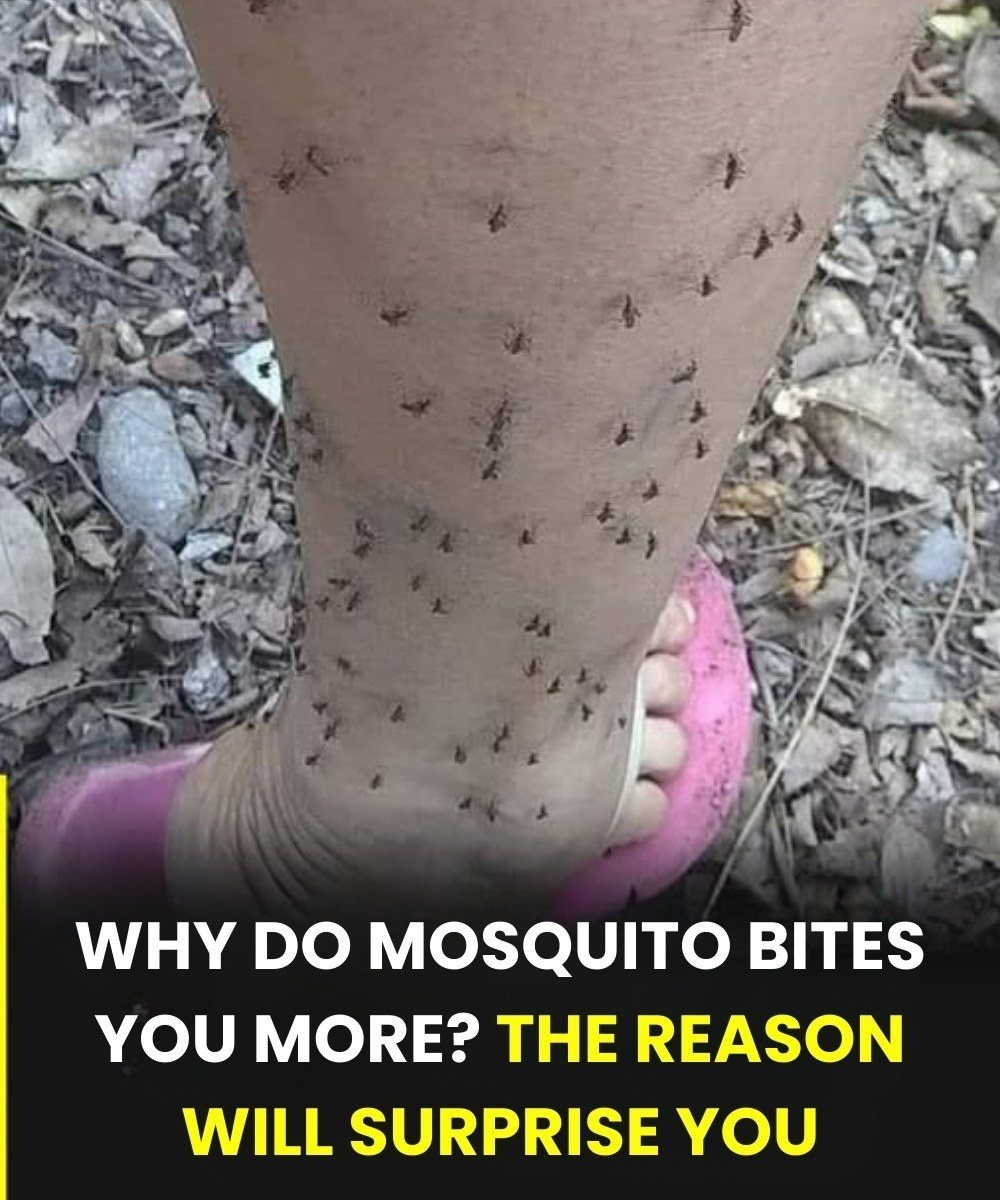
Blood type influences mosquito preference. Studies show people with type O blood are bitten more frequently, while type A tends to attract fewer mosquitoes. Some chemical markers released through the skin make blood type easier for mosquitoes to detect.
Sweat, lactic acid, and exercise increase attraction. Physical activity raises body temperature and produces compounds in sweat that act as powerful signals for mosquitoes, explaining why bites often spike after exercise.
Environmental factors, like standing water, clothing color, and movement, can further amplify the likelihood of being bitten. Even wind direction and time of day can play subtle roles in mosquito behavior.
Understanding these biological and environmental triggers highlights why mosquito bites feel personal. It also suggests strategies for prevention, such as limiting heavy exercise outdoors during peak mosquito activity, using repellents, and being mindful of surroundings to reduce exposure.