Preparation (everything in the same bowl):
Activate/mix yeast (1 min)
In a large bowl, place warm water, milk, dry yeast and oil. Mix for 1 minute. (If using fresh yeast, dissolve it well.)
Add flour and salt
Mix with a spoon/spatula until no dry spots remain. The dough will be sticky (this is normal).
Let it sit until it doubles in size
With a moistened hand or spatula, take one edge, gently stretch it, and fold it to the center. Rotate the bowl a quarter turn and repeat. Make 8–10 folds.
Rest for 5 minutes and repeat another round of 8–10 folds.
Result: smoother and more taut dough without taking it out of the bowl.
Cover the bowl and let it rise (almost double the size of the dough).
Finger test: Press gently; the mark should slowly return without disappearing completely.
Pour the dough onto the table and divide it into 40 portions.
Roll each piece quickly into a greased rectangular tray, cover with a cloth and let rest for 30 minutes
This prevents them from shrinking when shaped.
Preheat the oven to 250°C for at least 20 minutes.
With oiled fingers, gently press from the center of each ball outwards to form discs 6 to 8 cm in diameter and 1 cm thick. Do not over-flatten;
They should be left to air out.
Mixture for brushing
Beat yogurt + oil until emulsified.
Brush a thin layer onto each loaf of bread.
Baked
Place the tray in a very hot oven (250 °C).
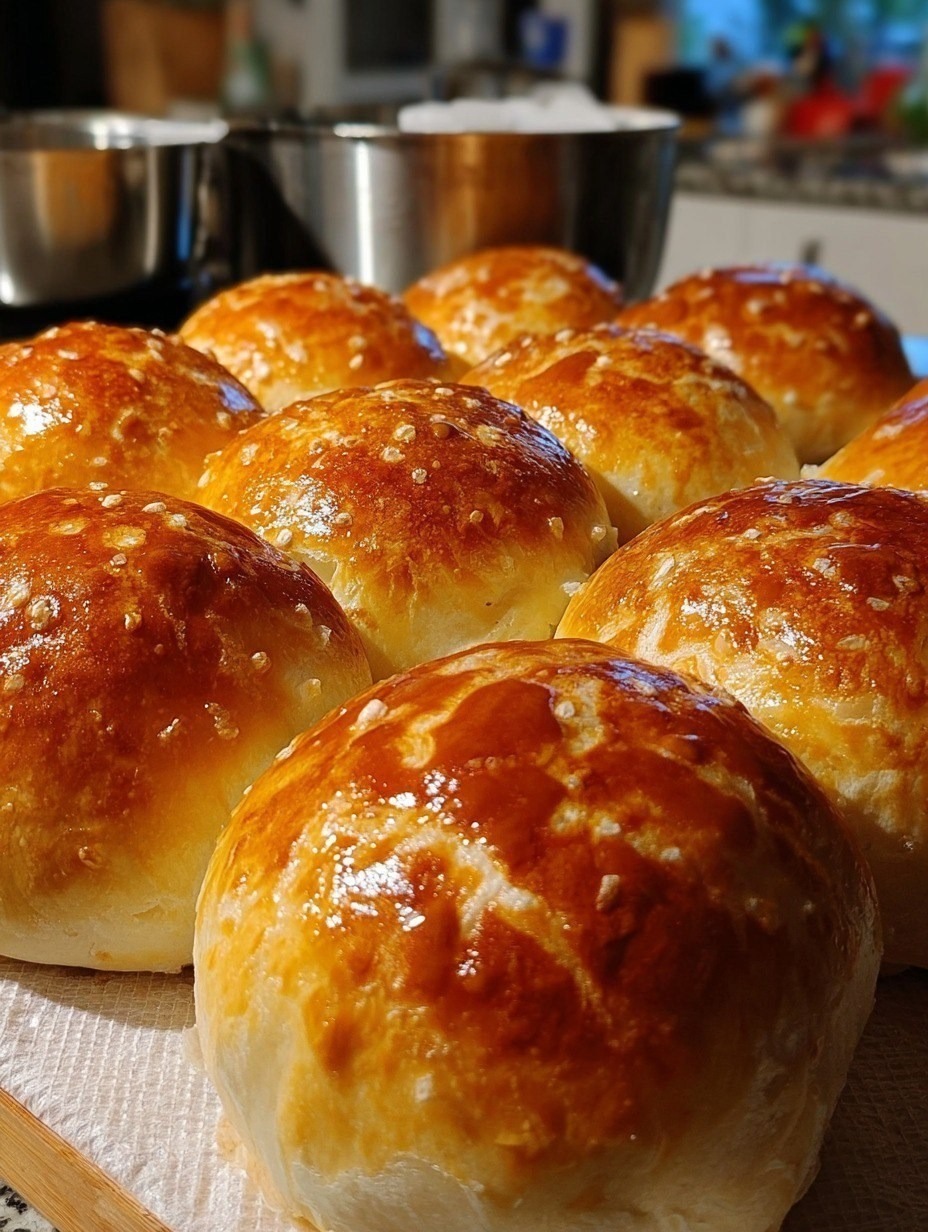
Bake for 8–12 minutes or until lightly golden brown (depending on the oven and thickness).
Place on a wire rack for 10–15 min. The outer crust will soften, becoming tender and supple.
Repeat the process and bake the rest in batches. Tip: Keep unbaked pieces covered so they don't dry out.
Key tips (for perfect results):
Do not add extra flour; if it sticks, dampen or oil your hands.
Do not put the salt directly on the yeast; mix it with the flour.
Frozen: once cooled, you can freeze them; to serve, defrost and reheat for 3–4 minutes at 200°C.