Prevention focuses on reducing these attractants. Keeping yards tidy, trimming vegetation, and controlling rodents lowers risk. Wearing protective clothing such as boots, long trousers, sleeves, and gloves is important because over 90% of bites affect arms or legs.
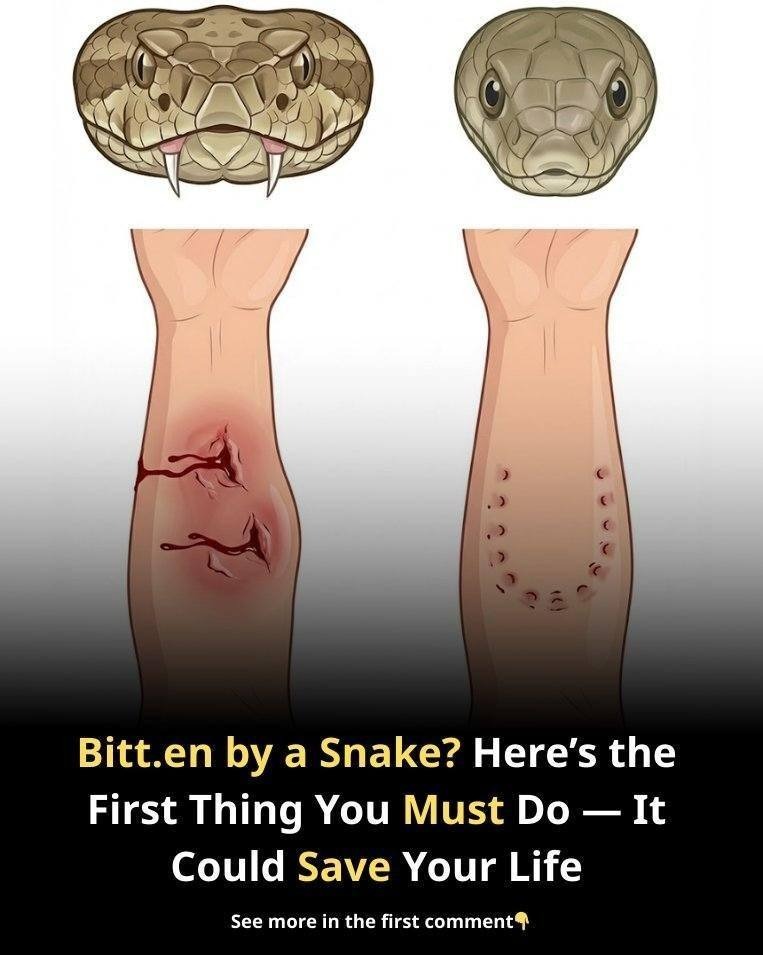
A dry bite occurs when a snake strikes without injecting venom. Symptoms may include pain, redness, or swelling. Since it is impossible to confirm immediately, every bite must be treated as potentially venomous.
Venomous bites can cause swelling, nausea, blurred vision, breathing difficulty, irregular pulse, abdominal pain, bleeding, or paralysis. Some bites appear minor, leaving only small puncture marks while serious symptoms develop later.
If a bite occurs, keep the person still, call emergency services, apply a firm pressure bandage, immobilize the limb, and avoid washing the wound. Quick medical treatment greatly improves outcomes and can save lives.